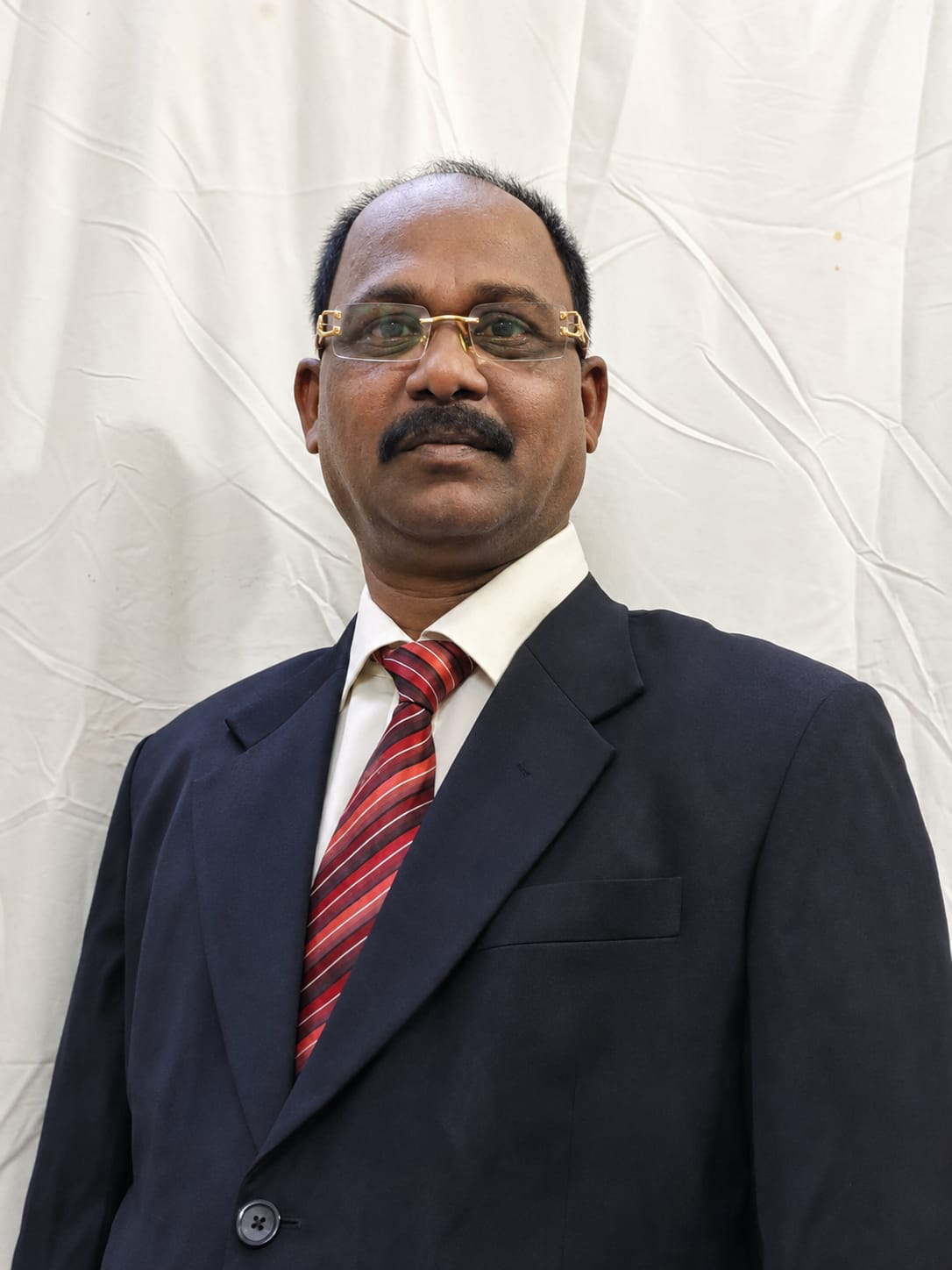
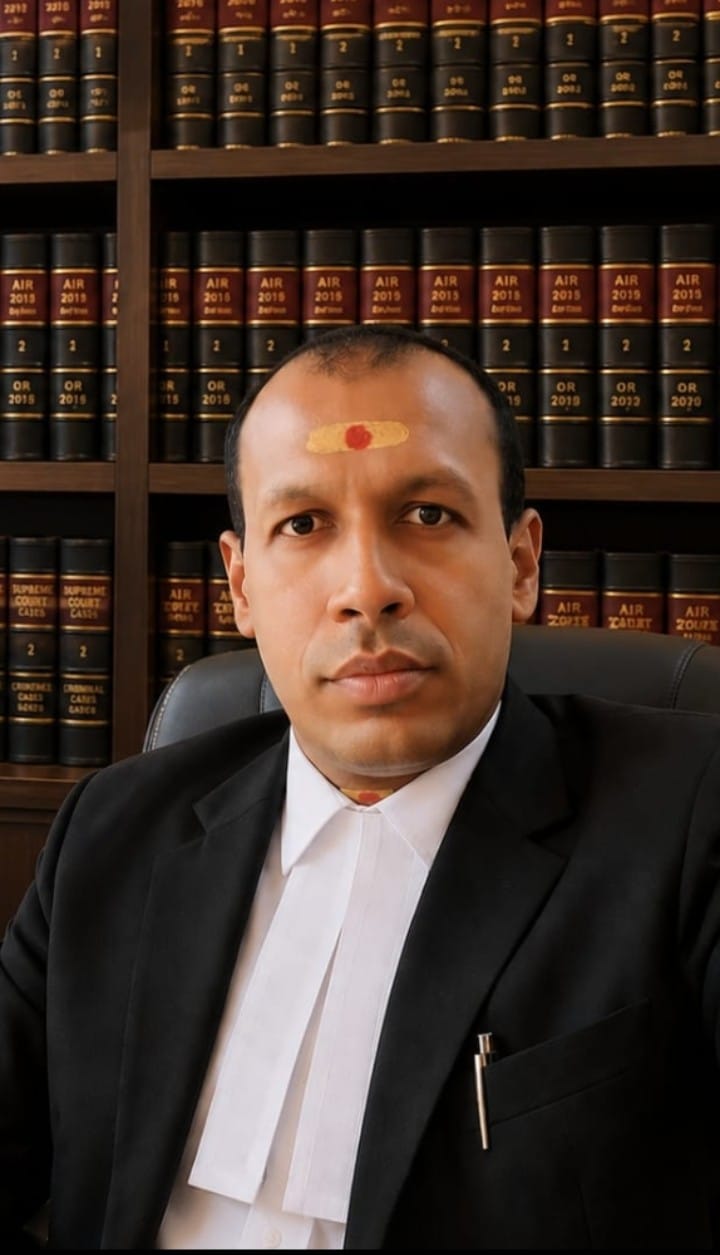
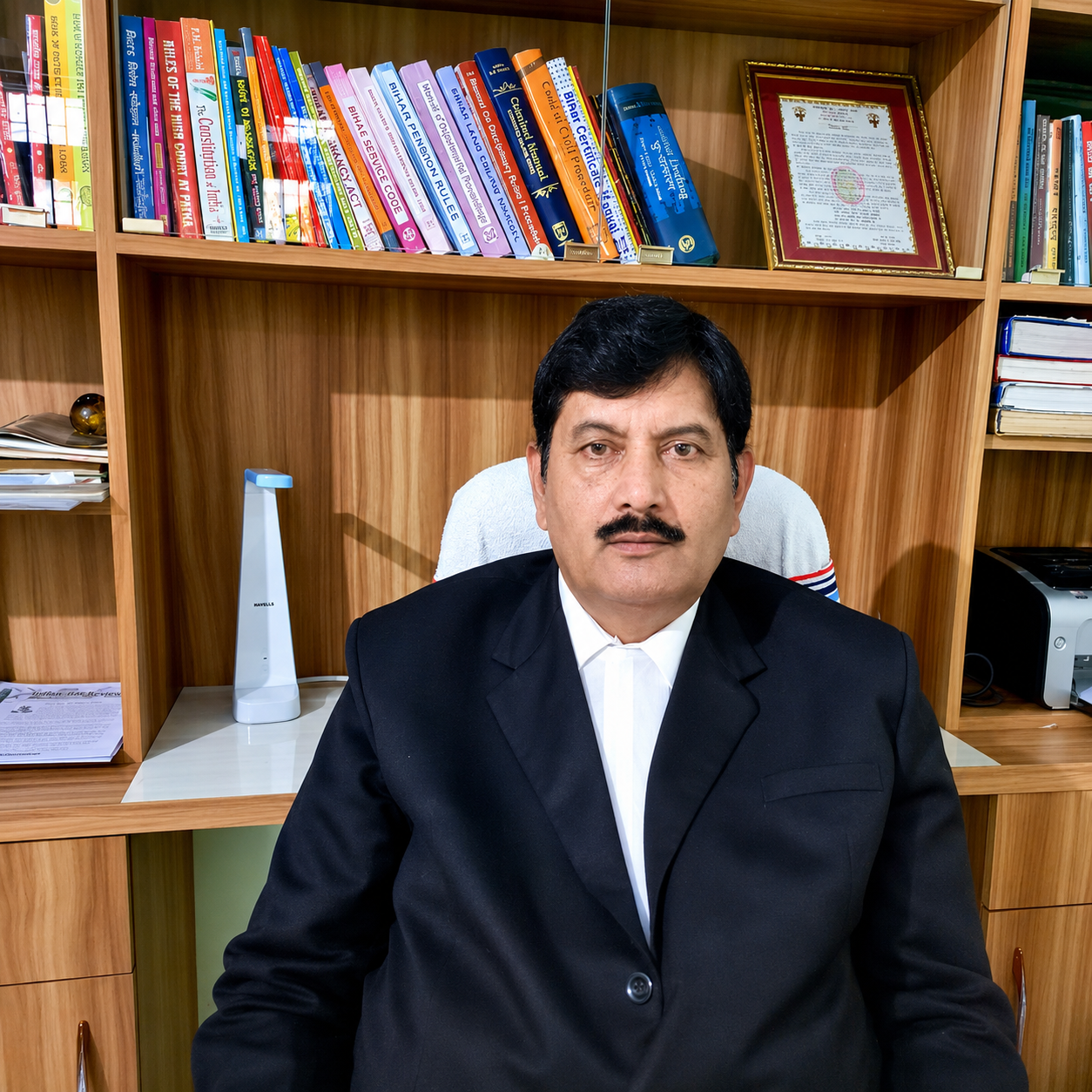
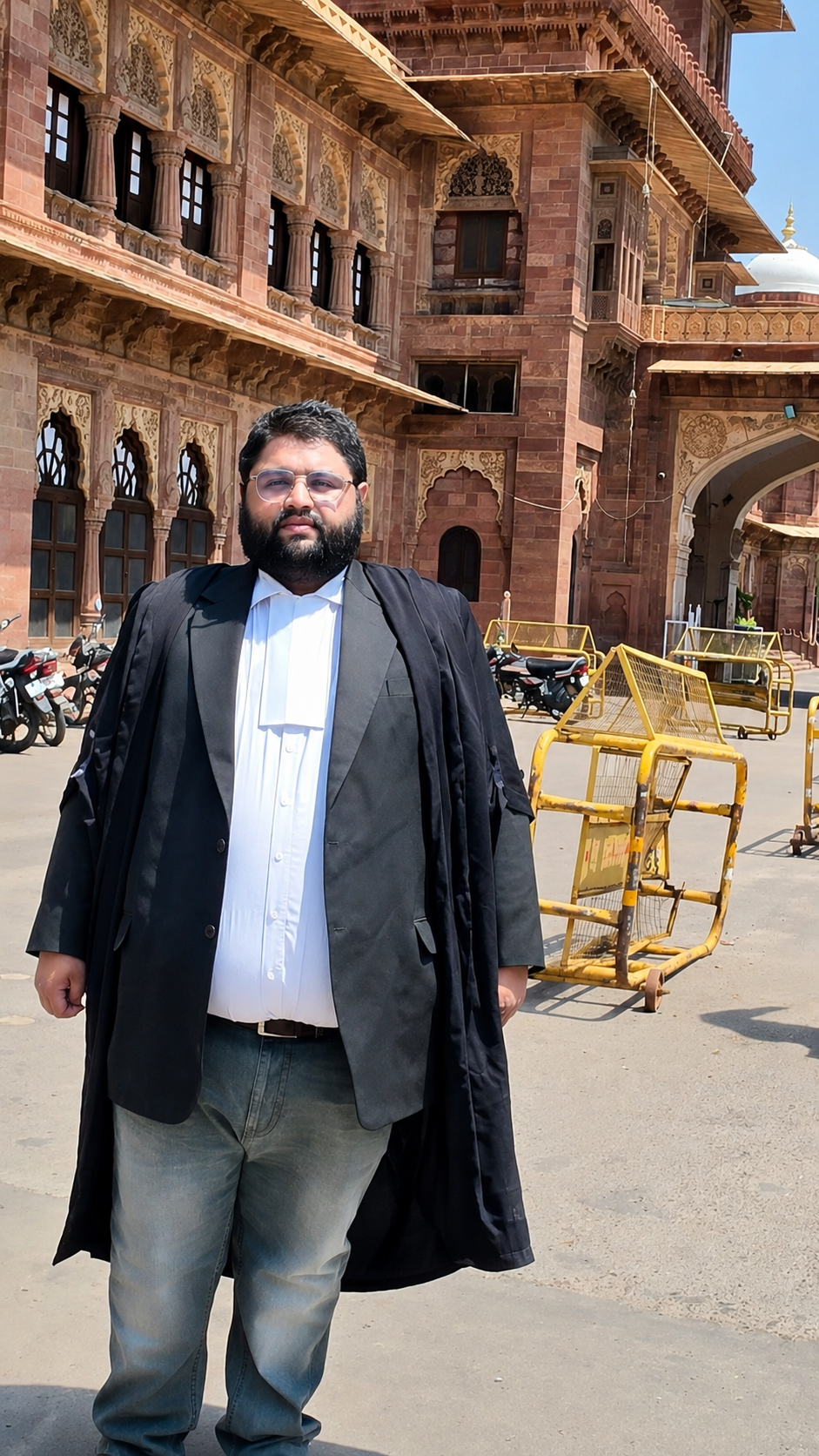
Dr. M. S. Rahman
A Defender of Justice, Human Rights and a New Vision of Leadership
From the courtroom to social advocacy, from criminal law to technology-driven awareness, Dr. M. S. Rahman’s journey reflects an ambition to place knowledge, justice and human dignity at the service of society.
There are careers that can be measured by designations, qualifications and professional milestones. Then there are journeys whose larger meaning emerges from the causes a person chooses to represent and the people he hopes to serve. Dr. M. S. Rahman, widely presented through his professional identity as “Defender M. S. Rahman,” belongs to the latter category.
A legal professional, human-rights advocate, social-impact leader and peace ambassador, Dr. Rahman has built a multidisciplinary profile connecting law, criminal justice, human rights, journalism, media, technology and social awareness. His story is not confined to a single profession because his interests have consistently crossed conventional professional boundaries.
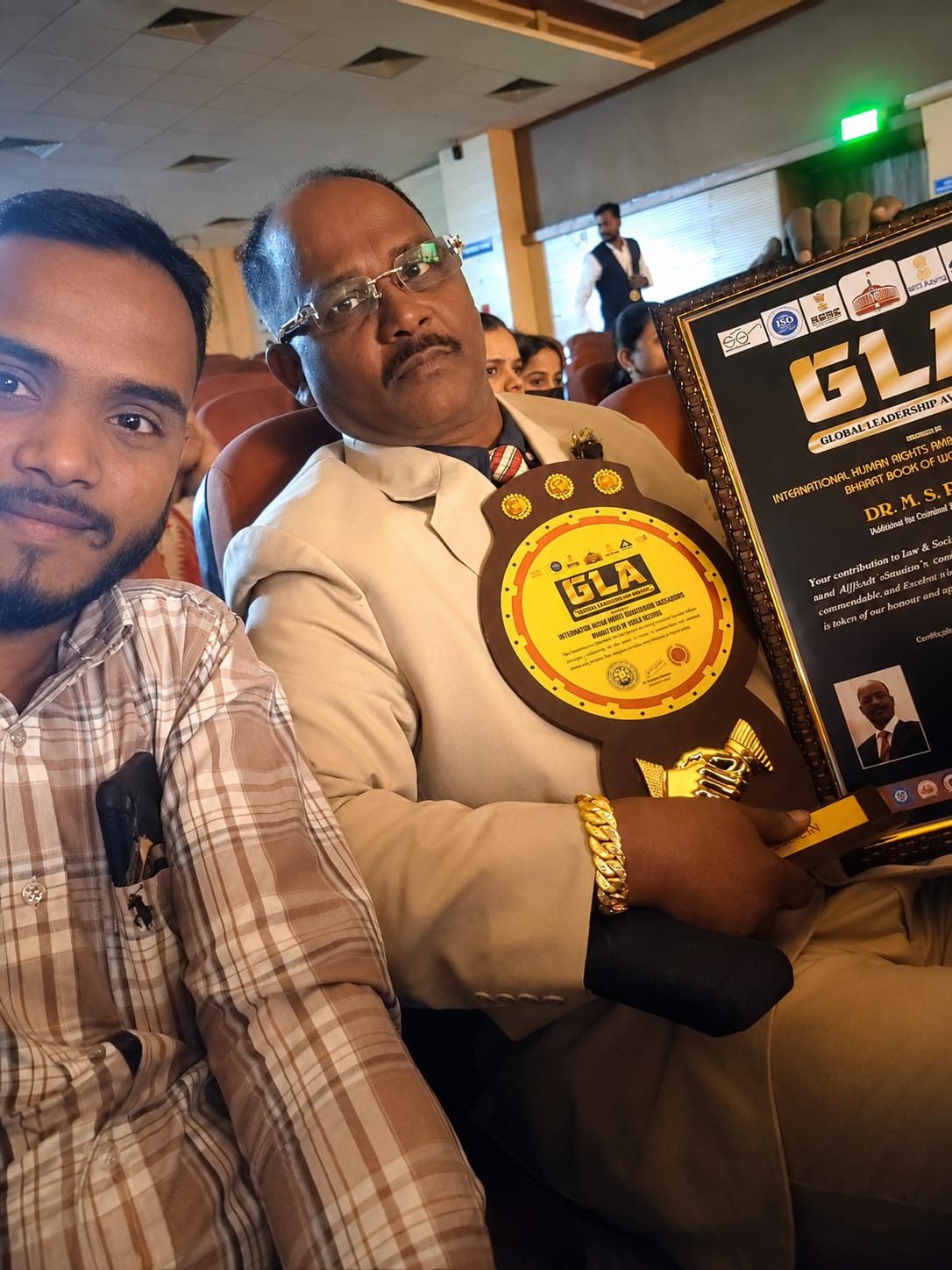
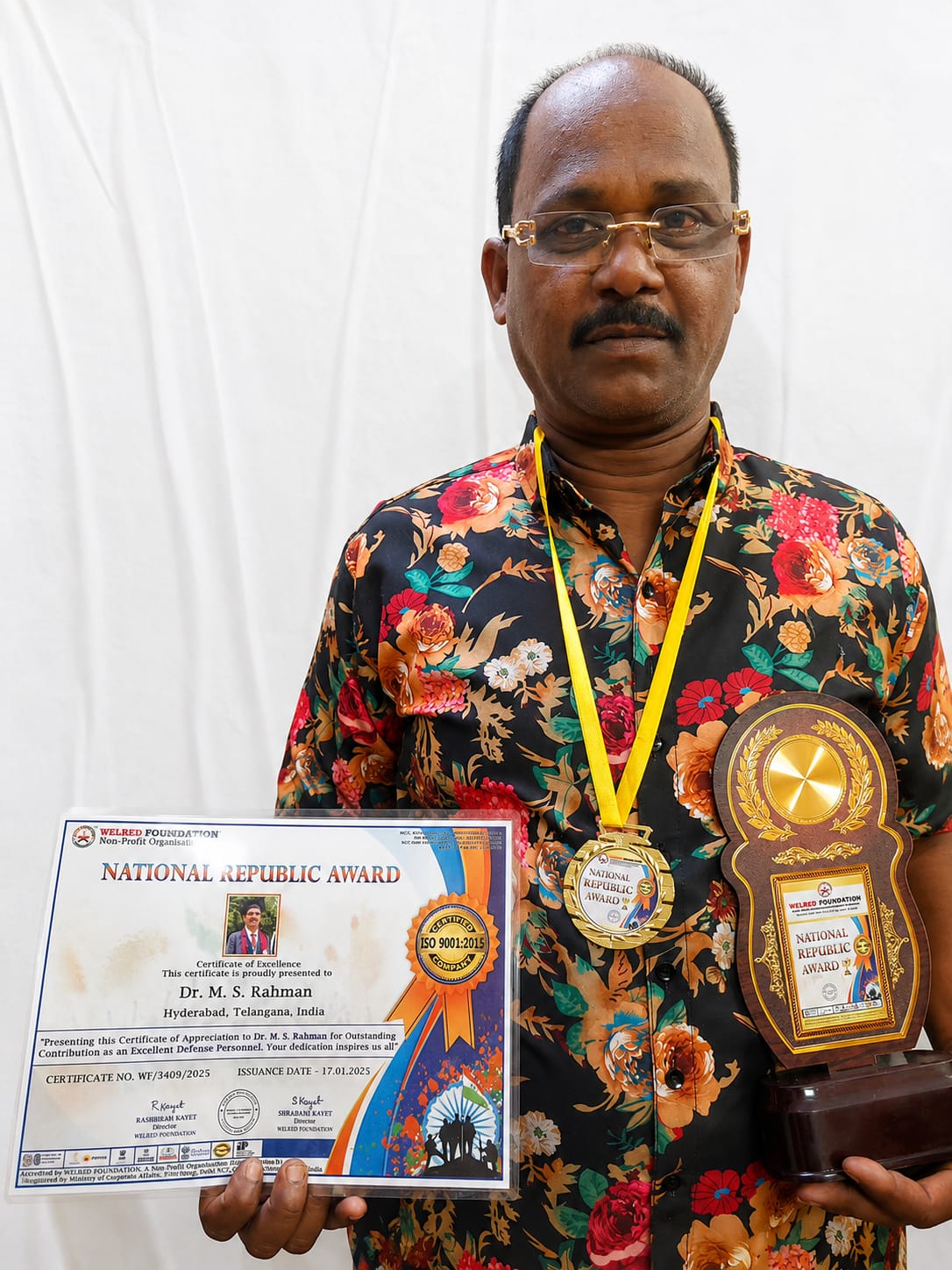
According to the profile information shared for his success story, Dr. Rahman holds a Doctorate of Law and a PhD in Criminal Law. He has also been associated with a remarkable range of recognitions and publications, including Mirror World, The Successful Stories of India’s Most Inspiring CEOs in 2025, Success Magazine, Global Magazine, and Knowledge Review. His profile further states that he has received more than 460 national and international awards and recognitions over the course of his journey.
Yet numbers alone cannot explain the philosophy behind his work.
At the centre of Dr. Rahman’s professional identity is a comparatively simple conviction: law becomes most meaningful when it protects human dignity.
When Law Becomes a Responsibility
For many people, the legal system appears intimidating. It is a world of statutes, procedures, arguments, documents and institutions. But behind every case file is a human story. Someone may be trying to defend a right, protect a family, preserve a reputation, challenge an injustice or simply make themselves heard.
This human dimension of law has become an important theme in Dr. Rahman’s journey.
His academic engagement with criminal law gives his professional profile a particularly significant dimension. Criminal law exists at one of the most sensitive intersections between the individual, society and the authority of the state. Questions of guilt and innocence, evidence and procedure, liberty and punishment are ultimately questions with profound consequences for human lives.
For Dr. Rahman, therefore, legal knowledge is not merely an academic achievement. It represents responsibility.
The title “Defender”, with which his name has increasingly been associated in his public profile, captures something of that philosophy. To defend is not merely to argue. It can also mean standing beside people, protecting principles, creating awareness and ensuring that voices which might otherwise remain unheard are given an opportunity to enter the larger conversation.
His journey suggests an understanding of justice that extends beyond the walls of a courtroom. Justice also lives in awareness. It lives in equality of opportunity, respect for rights and the willingness of institutions and individuals to listen to people who feel powerless.

A Voice for Human Rights and Social Justice
Dr. Rahman’s work has also developed around human rights and social justice, areas that naturally complement his legal background.
He has been associated with leadership responsibilities including serving as Vice President of the World Human Rights Organization and State President of the Human Rights Council of India, according to the biographical information provided about his career.
Such positions carry a responsibility larger than a designation.
Human rights become meaningful only when people understand that those rights belong to them. Awareness, therefore, is often the first form of empowerment. A citizen who understands his or her rights is better positioned to identify injustice, seek assistance and participate confidently in society.
This is where Dr. Rahman’s legal work intersects with his social mission.
His public philosophy places particular emphasis on the unheard. Modern society has unprecedented communication tools, yet access to a platform does not automatically guarantee that every person will be heard. Economic circumstances, social position, lack of knowledge and institutional barriers can still prevent individuals from effectively communicating their struggles.
Dr. Rahman’s work seeks to address that gap through law, advocacy and communication.
His approach reflects a belief that justice must retain a human face.
Laws can establish rights, but empathy helps society understand why those rights matter. Institutions can provide mechanisms for justice, but awareness helps citizens access them. Technology can spread information, but human judgment determines whether that technology is ultimately used to empower or exclude.
These ideas have helped shape the broader identity that Dr. Rahman has developed over the years.
More Than 3,000 Legal Cases: Experience Built Through People
An important part of Dr. Rahman’s professional story is his extensive experience in legal practice.
His profile records more than a decade of experience as a legal professional and over 3,000 successful cases.
Numbers of this magnitude represent more than professional statistics. Each case carries its own circumstances, pressures and human consequences. A legal professional dealing with thousands of matters encounters people from different backgrounds, different social realities and different forms of conflict.
That experience can create something no textbook alone can provide: an understanding of how law operates in real human situations.
Courtrooms teach legal reasoning, but clients teach another lesson—the importance of listening.
A person seeking legal help does not always arrive with a perfectly structured explanation of his or her problem. Often there is fear, confusion, anger or uncertainty behind the facts. The lawyer’s task therefore begins before an argument is made. It begins with understanding.
This emphasis on listening has remained consistent with Dr. Rahman’s wider involvement in human rights.
His professional journey illustrates how legal practice and social consciousness can reinforce one another. Legal experience reveals where individuals face difficulties; human-rights work broadens the conversation from individual disputes to the structural importance of dignity, awareness and equal treatment.
For Dr. Rahman, professional success therefore cannot be reduced to the number of matters handled. Its deeper value lies in whether legal knowledge can make a meaningful difference in someone’s life.
Building Bridges Between Law, Journalism and Media
One of the more distinctive elements of Dr. Rahman’s profile is his willingness to work across disciplines.
Alongside law and human rights, his journey has incorporated journalism and media.
At first glance, the courtroom and the newsroom may seem like very different environments. Yet both professions revolve around information, evidence, communication and public understanding.
Law asks: What happened, what can be established, and what does justice require?
Journalism asks: What happened, why does it matter, and what does the public need to understand?
Dr. Rahman’s interest in both fields has allowed him to view social issues from multiple perspectives. A legal issue can simultaneously be a human-rights issue. A human-rights problem can also be an awareness problem. And an awareness problem can sometimes be addressed through effective communication.
This multidisciplinary perspective is particularly relevant in an era when public conversations are shaped almost instantly by digital media.
Information now travels across cities, countries and continents within seconds. But speed also brings responsibility. Public figures, lawyers, journalists and social leaders must navigate a world in which misinformation can spread as quickly as truth.
For Dr. Rahman, communication therefore represents more than visibility. Used responsibly, it can become a mechanism for education and social awareness.
Technology and Artificial Intelligence with a Human Purpose
Dr. Rahman’s professional interests have also expanded into technology, digital media and artificial intelligence.
This is significant because the legal and human-rights landscape is undergoing a profound transformation.
Artificial intelligence is changing how information is searched, analyzed and communicated. Digital platforms have transformed access to knowledge. Social media has enabled ordinary citizens to speak to audiences that would have been unreachable only a generation ago.
Yet technology also presents new ethical and legal questions.
Who is responsible when technology causes harm? How should privacy be protected? How can misinformation be addressed? How do societies ensure that innovation remains consistent with fundamental rights?
These are not merely technical questions. They are questions of law, ethics and humanity.
Dr. Rahman’s multidisciplinary outlook places him within this emerging conversation. His interest in artificial intelligence and digital media reflects the idea that professionals need not choose between tradition and innovation. Instead, they can ask how innovation might serve enduring human values.
Technology, in this philosophy, is not the destination.
Human welfare is.
A digital platform can give someone a voice. Artificial intelligence can make information more accessible. Media can bring attention to neglected issues. But their highest value appears when they are used responsibly and purposefully.
For someone whose work has moved between law, rights, communication and technology, this intersection represents a natural extension of a larger mission: using knowledge to empower people.
Recognition on National and International Platforms
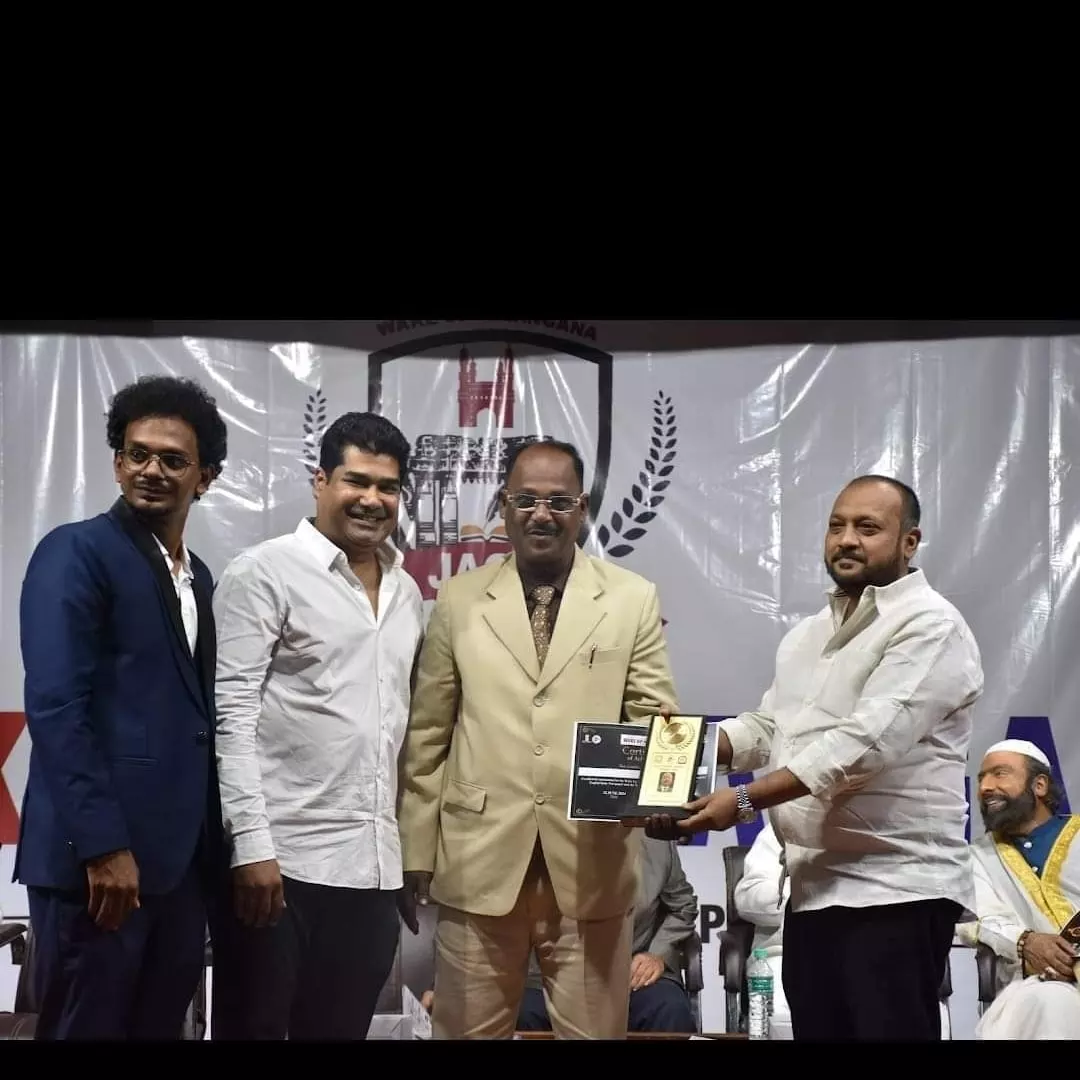
Recognition has followed Dr. Rahman’s journey across numerous platforms.
Earlier accounts of his career highlighted more than 35 honours, including recognitions such as the Mahatma Gandhi Peace Award, Dr. B. R. Ambedkar Social Reformer Award and World Peace Award, along with recognition from world-record institutions.
The updated professional information supplied for his profile places the overall number substantially higher, stating that he has now accumulated more than 460 national and international awards and recognitions.
His profile has also been associated with several leadership-oriented features and publications.
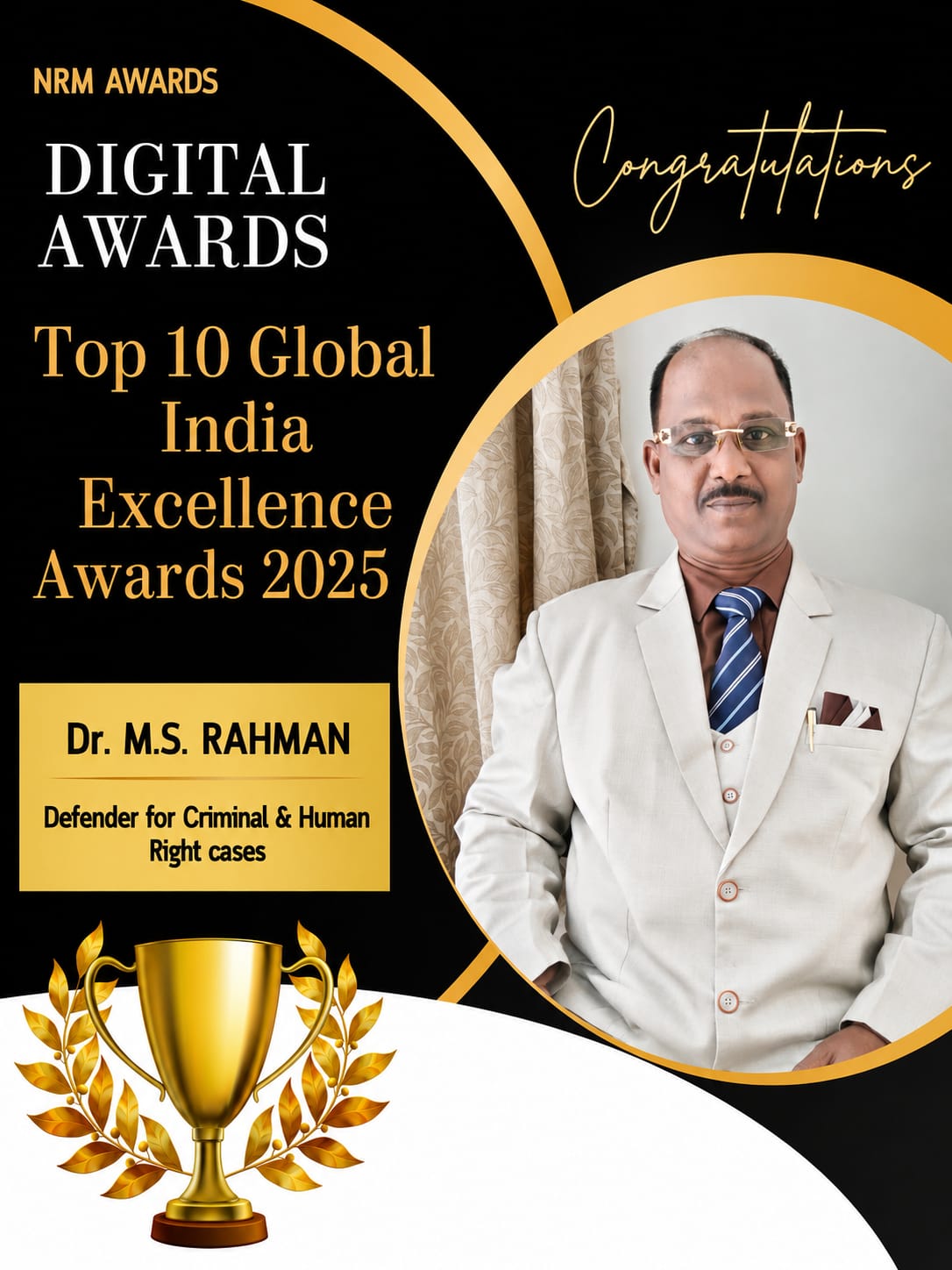
Among the distinctions shared for this success story are inclusion in Mirror World and The Successful Stories of India’s Most Inspiring CEOs in 2025. He has also been presented in Success Magazine’s “Top 10 Leaders”, where the information provided for his profile describes him as receiving the first position.
His recognitions further include being featured among Global Magazine’s Top 10 Innovators, while Knowledge Review has presented him among “The 5 Most Influential Leaders in 2025,” according to the supplied profile details.
Taken together, these distinctions portray a professional identity that has expanded considerably beyond conventional legal practice.
However, Dr. Rahman’s philosophy toward recognition is perhaps more important than the quantity of recognition itself.
An award can celebrate what has already been accomplished, but the larger purpose is what happens afterward.
Recognition creates visibility. Visibility creates influence. And influence, when handled responsibly, creates an opportunity to direct public attention toward meaningful causes.
For Dr. Rahman, the most valuable recognition is therefore one that encourages further work.
Peace as an Extension of Justice
Another important dimension of Dr. Rahman’s identity is his work and recognition as a Peace Ambassador.
Peace and justice are sometimes treated as separate ideals, but in practice they are deeply interconnected.
Sustainable peace is difficult where dignity is routinely denied. Social harmony becomes fragile when people believe that institutions will not hear them. Equality cannot flourish when rights exist only in theory.
From this perspective, peace is not simply the absence of conflict.
It is the presence of fairness, mutual respect, dialogue and human dignity.
Dr. Rahman’s vision of peace appears to grow naturally from his experience in law and human-rights advocacy. Legal disputes show what happens when conflicts reach formal institutions. Human-rights work demonstrates the importance of preventing injustice before it develops into deeper alienation.
Peace-building therefore begins with everyday choices: listening before judging, communicating before escalating and recognizing the dignity of another human being even when disagreements remain.
That philosophy gives Dr. Rahman’s Peace Ambassador identity a wider social meaning.
The Meaning Behind “Defender M. S. Rahman”
In the digital era, professional identities increasingly exist both offline and online. Dr. Rahman’s public profile has developed under the searchable identity “Defender M. S. Rahman.”
The phrase is more than a professional label.
A defender may defend a legal position, but the word can carry a broader meaning: defending human dignity, defending the principle of equality, defending the right to be heard and defending the possibility that institutions can work for ordinary citizens.
The information provided for this profile notes that his work and achievements can be found through Google searches for “Defender msrahman.”
That digital footprint reflects another transformation in modern leadership. Reputation is no longer built solely through certificates, offices or physical institutions. It is also shaped by the public record that emerges through publications, media coverage, professional platforms and online search.
Dr. Rahman has embraced that changing environment rather than remaining limited by traditional professional boundaries.
Leadership Beyond Titles
The word “leader” is used frequently, but leadership is not automatically created by a designation.
Real leadership becomes visible in responsibility.
A leader must be willing to stand for something even when there is no immediate reward. A social leader must recognize that influence is valuable only when it contributes to something beyond personal visibility.
Dr. Rahman’s journey through law, human rights, peace advocacy, journalism, technology and public engagement presents a model of leadership built around interconnected responsibilities.
His recognition among influential leaders and innovators in 2025 represents one aspect of that journey. The deeper story lies in why such influence matters.
For aspiring lawyers, his career suggests that legal education can become a foundation for broader social service.
For young professionals, it demonstrates the value of multidisciplinary learning.
For those working in media, it highlights the importance of responsible communication.
And for emerging technology professionals, it raises a principle that will become increasingly important in the age of artificial intelligence: innovation must remain connected to humanity.
An Inspiring Message for the Next Generation
Every generation inherits problems from the one before it, but it also inherits tools that previous generations never possessed.
Young professionals today have extraordinary access to knowledge. They can study international law from a phone, communicate across continents instantly, build organizations online and use artificial intelligence to process information at previously unimaginable speeds.
But greater capability also brings greater responsibility.
Dr. Rahman’s professional story offers a useful lesson in this context: knowledge becomes most powerful when it is connected with purpose.
A degree can create expertise.
A profession can create stability.
An award can create recognition.
A platform can create influence.
But purpose determines what a person ultimately does with all four.
His journey suggests that young people do not necessarily need to wait until they possess enormous authority before contributing to society. Change can begin on a smaller scale—with one person receiving guidance, one individual learning about a right, one neglected voice finding a platform or one professional choosing integrity over convenience.
Social transformation is ultimately built from such individual decisions.
More Than 460 Recognitions — But One Continuing Mission
To be associated with more than 460 national and international awards and recognitions is a substantial milestone. To be featured among inspiring CEOs, influential leaders and innovators expands that record further.
But no meaningful journey should be reduced to a collection of trophies.
The stronger measure of a professional life is whether achievement creates greater responsibility or greater complacency.
For Dr. M. S. Rahman, the story presented through his work is one of continuation.
There remain people who need legal guidance.
There remain citizens who do not fully understand their rights.
There remain communities seeking greater equality.
There remain voices waiting to be heard.
And there remains a rapidly changing technological world that needs professionals capable of connecting innovation with ethics and human dignity.
That is why his journey cannot end with an award, a magazine feature, a professional title or a Google search result.
Those are milestones.
The mission is larger.
A Journey of Justice, Humanity and Hope
Dr. M. S. Rahman’s story ultimately brings together several identities: legal professional, Doctor of Law, PhD in Criminal Law, human-rights advocate, Peace Ambassador, media and journalism professional, technology enthusiast, innovator and social-impact leader.
On paper, these may appear to be separate accomplishments. Viewed together, however, they reveal a common thread.
That thread is the belief that professional knowledge should have a social purpose.
Law can protect.
Journalism can inform.
Media can amplify.
Technology can connect.
Artificial intelligence can empower.
Leadership can inspire.
And peace can unite.
But each becomes truly meaningful only when people remain at the centre.
That is perhaps the defining message of the success story of Dr. M. S. Rahman — “Defender M. S. Rahman.”
His journey demonstrates that success does not have to be a choice between professional achievement and service to society. At its most meaningful, one can strengthen the other.
From thousands of legal matters to human-rights leadership, from peace advocacy to digital innovation, and from national recognition to international honours, his profile represents a continuing effort to broaden the meaning of professional responsibility.
The awards may continue to grow. The platforms may become larger. Technology may change. New opportunities and challenges will undoubtedly emerge.
But the principle at the heart of the journey remains timeless:
Justice should protect human dignity.
Knowledge should empower people.
Technology should serve humanity.
Leadership should create opportunity for others.
And no voice should ever be considered too small to be heard.
For Dr. M. S. Rahman, success is therefore not simply the story of how far one individual has travelled.