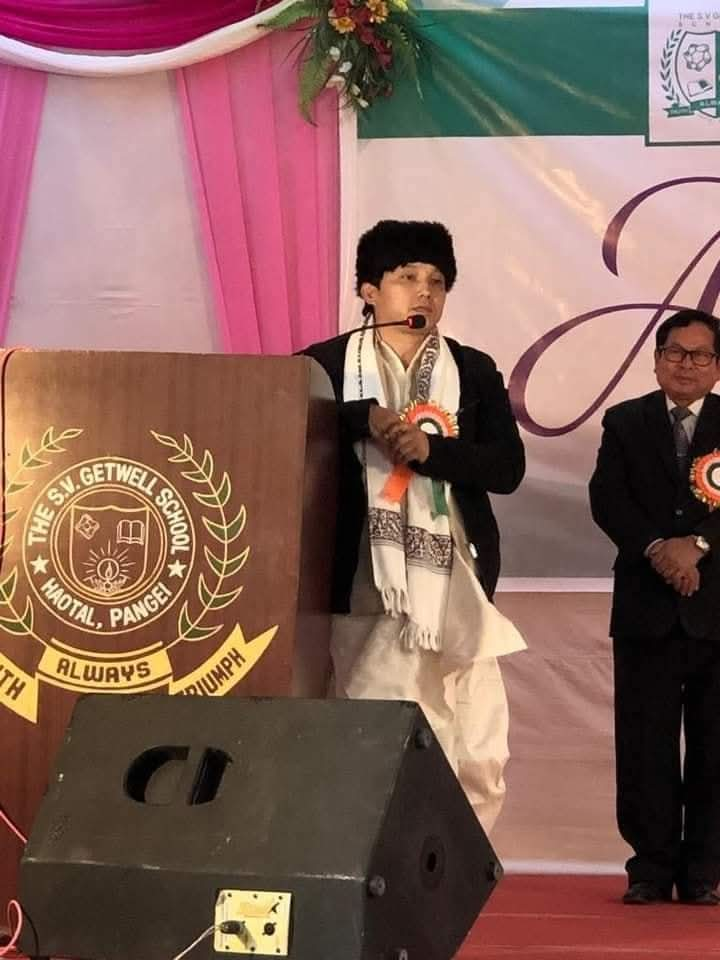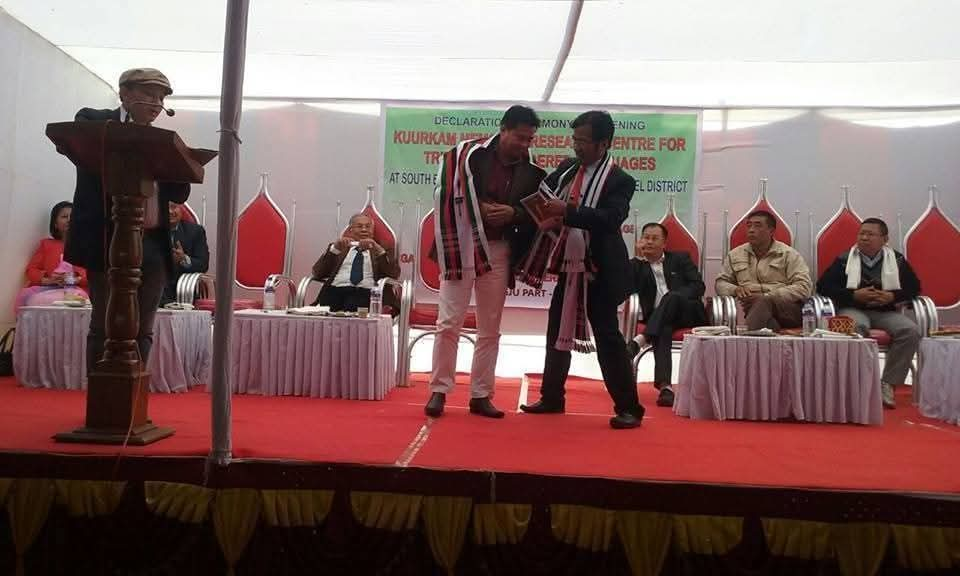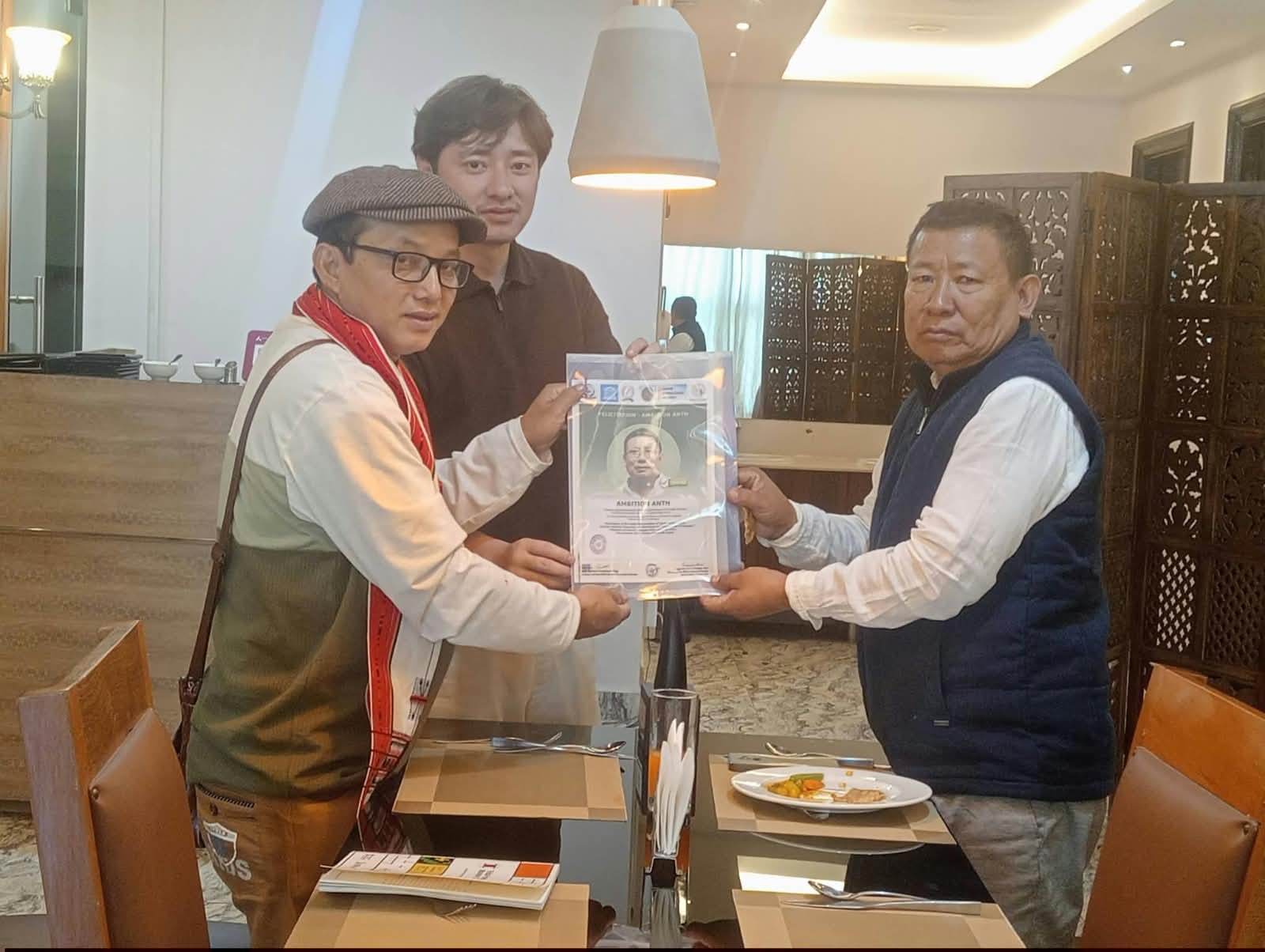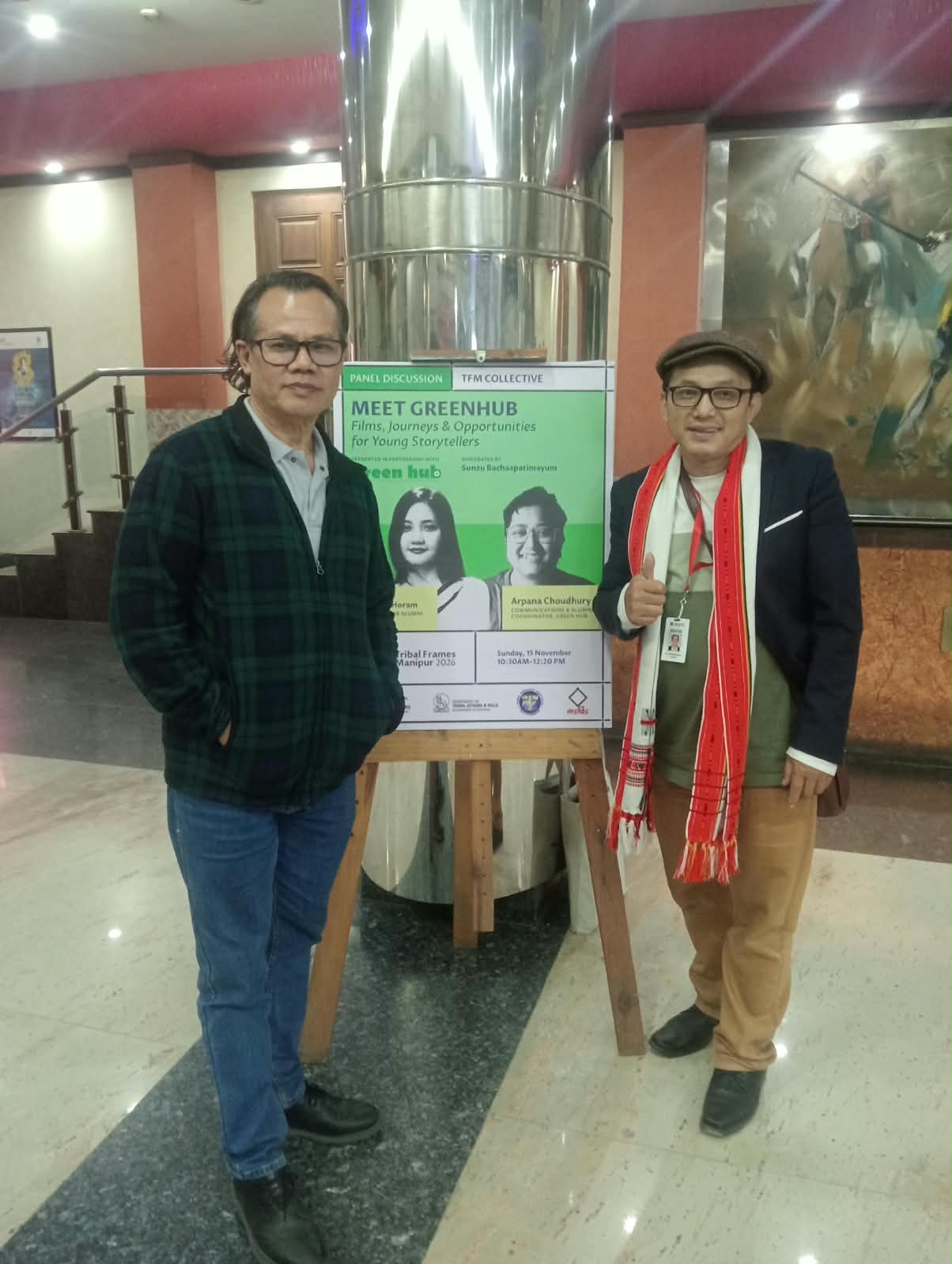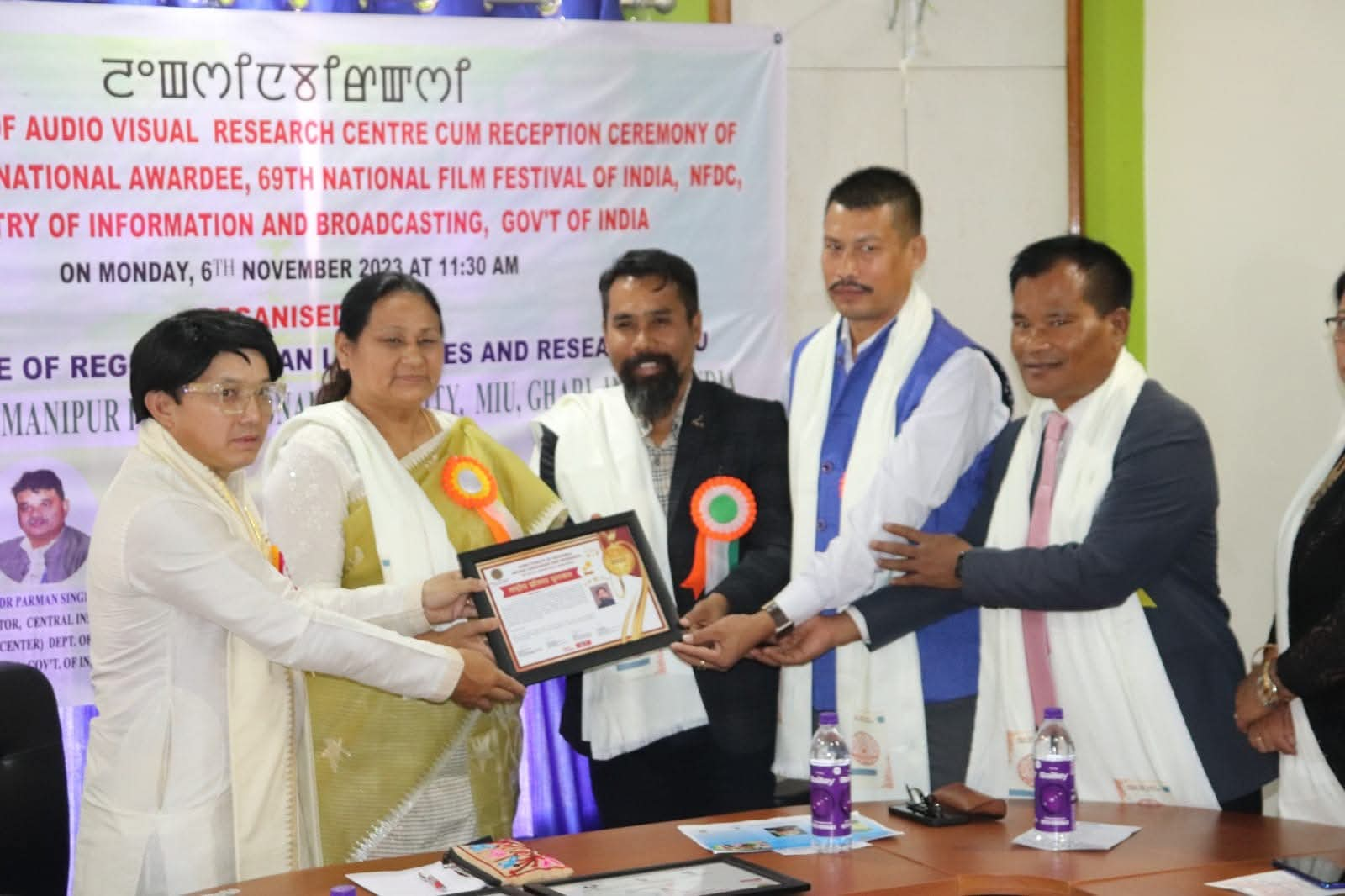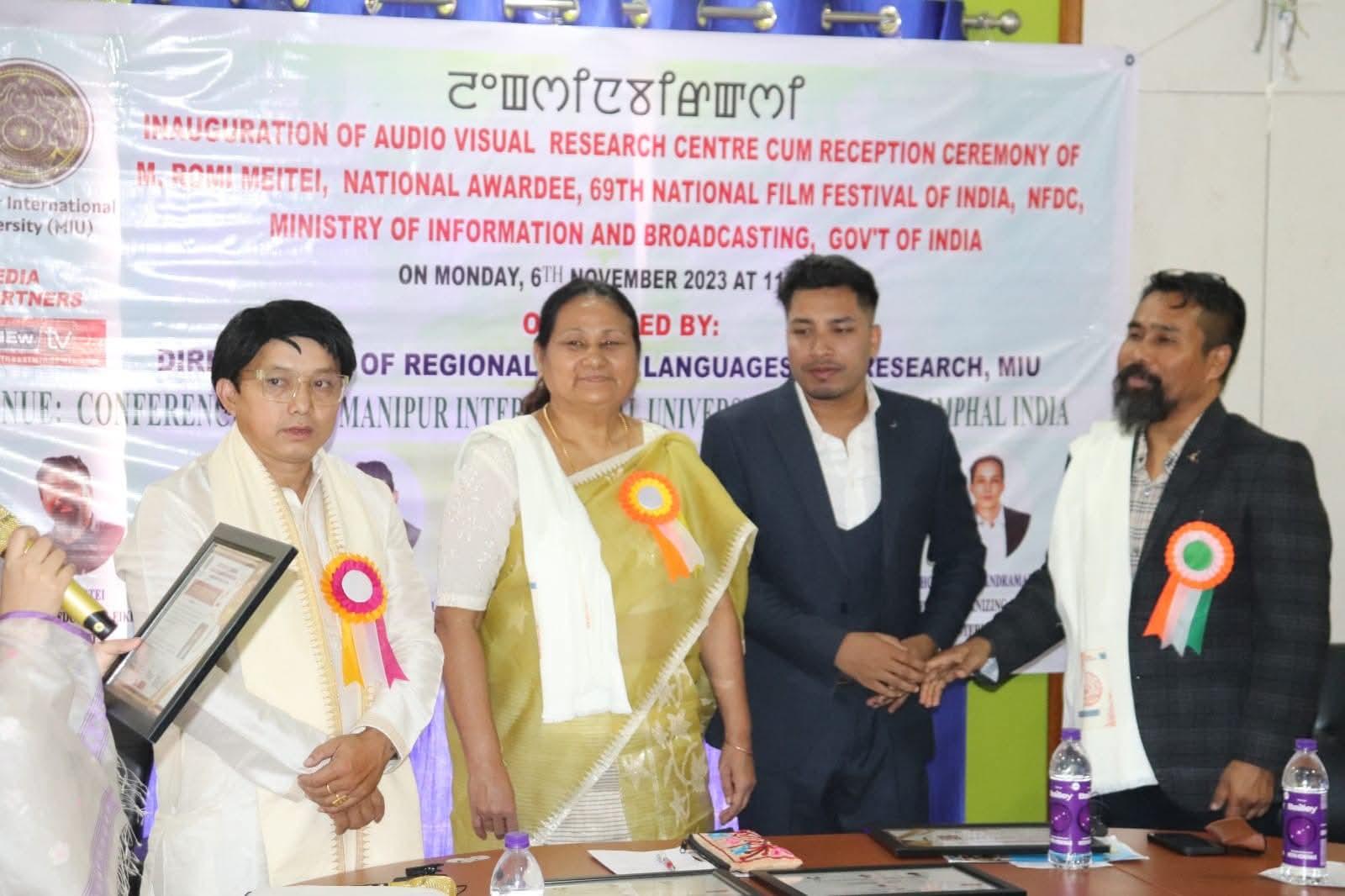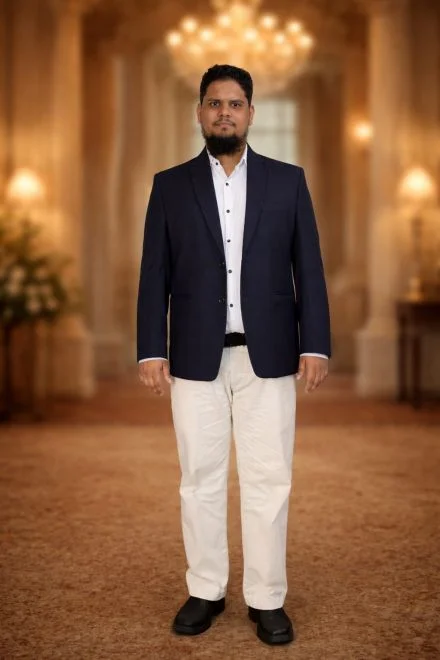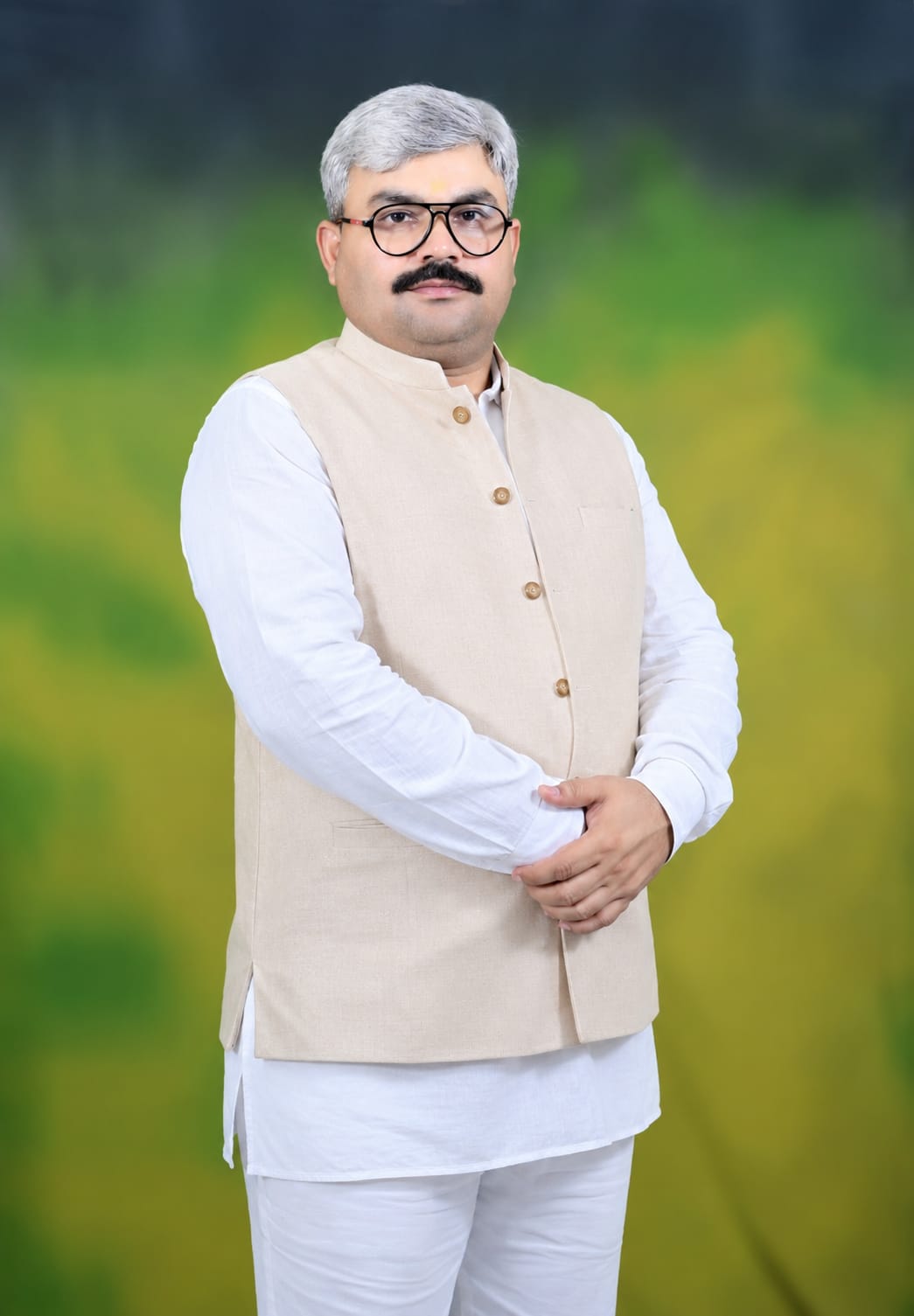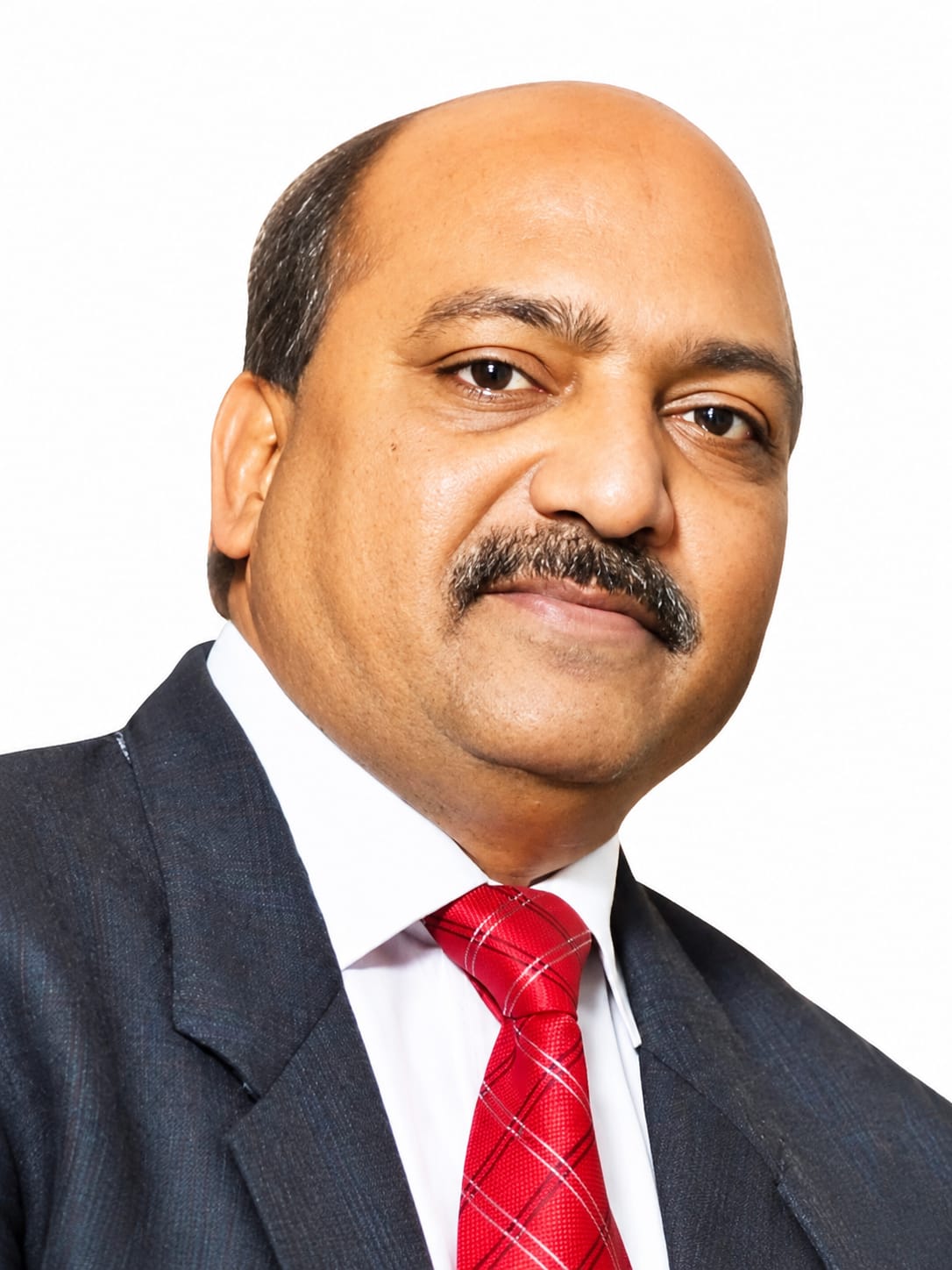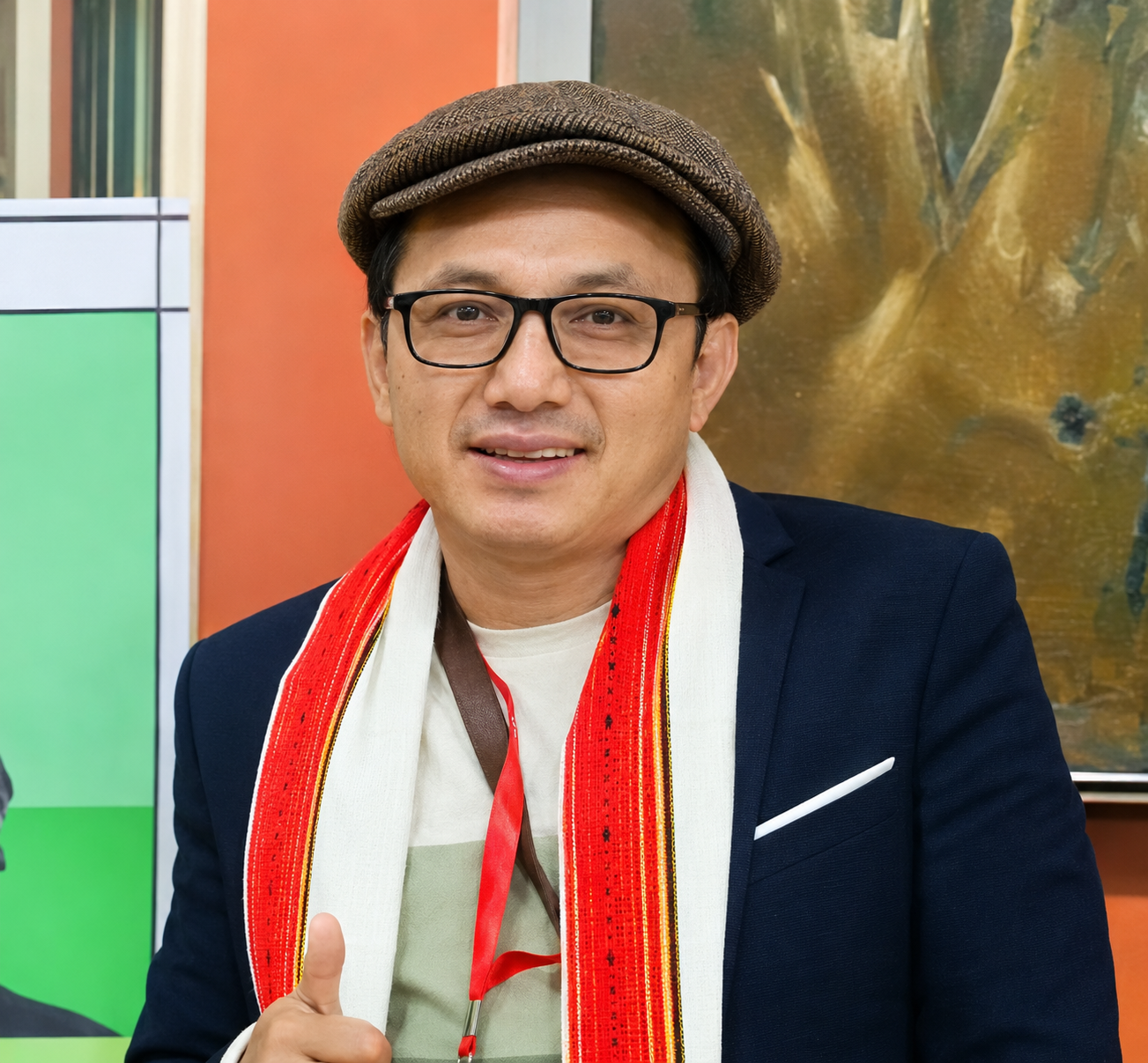
PROF. (DR.) THOKCHOM CHANDRAMANI SINGH
Indian Linguist | Professor & Dean | Language Scientist | Research Scholar | Cultural Preservationist | Documentary Filmmaker & Producer | Gold Medalist in Linguistics
Professor & Dean – Directorate of Regional Indian Languages and Research (DRILR), Manipur International University, Imphal, Manipur, India
A Distinguished Journey of Academic Excellence, Endangered Language Preservation, Indigenous Cultural Research, Documentary Filmmaking and Commitment to Humanity
“When a language disappears, humanity loses more than words; it loses a unique history, an identity, and an irreplaceable way of understanding the world.”
Introduction – Professional Biography
Prof. (Dr.) Thokchom Chandramani Singh is an Indian linguist, academician, language scientist, researcher, cultural preservationist, documentary filmmaker and producer from Manipur, India. His professional journey is distinguished by his commitment to the documentation, scientific study and preservation of endangered indigenous and tribal languages, particularly those spoken by smaller ethnic communities in Northeast India.
Born on 1 February 1977 in Imphal East, Manipur, Prof. Singh has devoted more than two decades to linguistic research, cultural documentation, indigenous knowledge preservation and academic development.
He is presently serving as Professor and Dean of the Directorate of Regional Indian Languages and Research (DRILR) at Manipur International University, Imphal, Manipur, where his academic interests focus on regional languages, endangered linguistic traditions, cultural identity and research development.
A Gold Medalist in Linguistics (2000) and holder of a Ph.D. in Linguistics, he has pursued extensive research into the structure, development and survival of indigenous languages. His work is particularly associated with the linguistic documentation of the Tarao, Thangal Naga, Aimol and Saimer communities.
Beyond academia, Prof. Singh has expanded his contribution to documentary filmmaking, using cinema as a medium to preserve cultural memories, communicate the challenges faced by endangered communities and bring indigenous narratives to wider audiences.
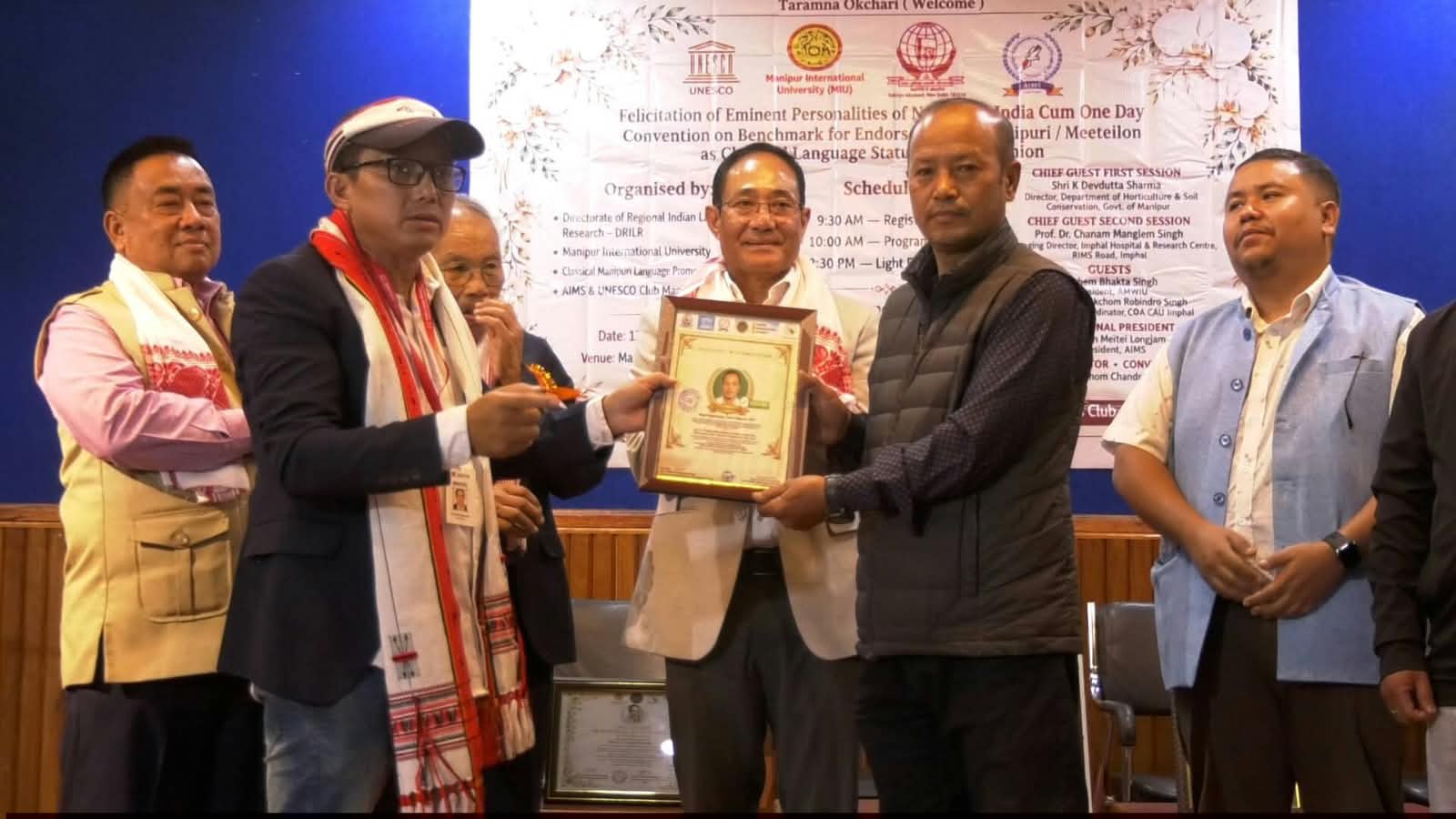
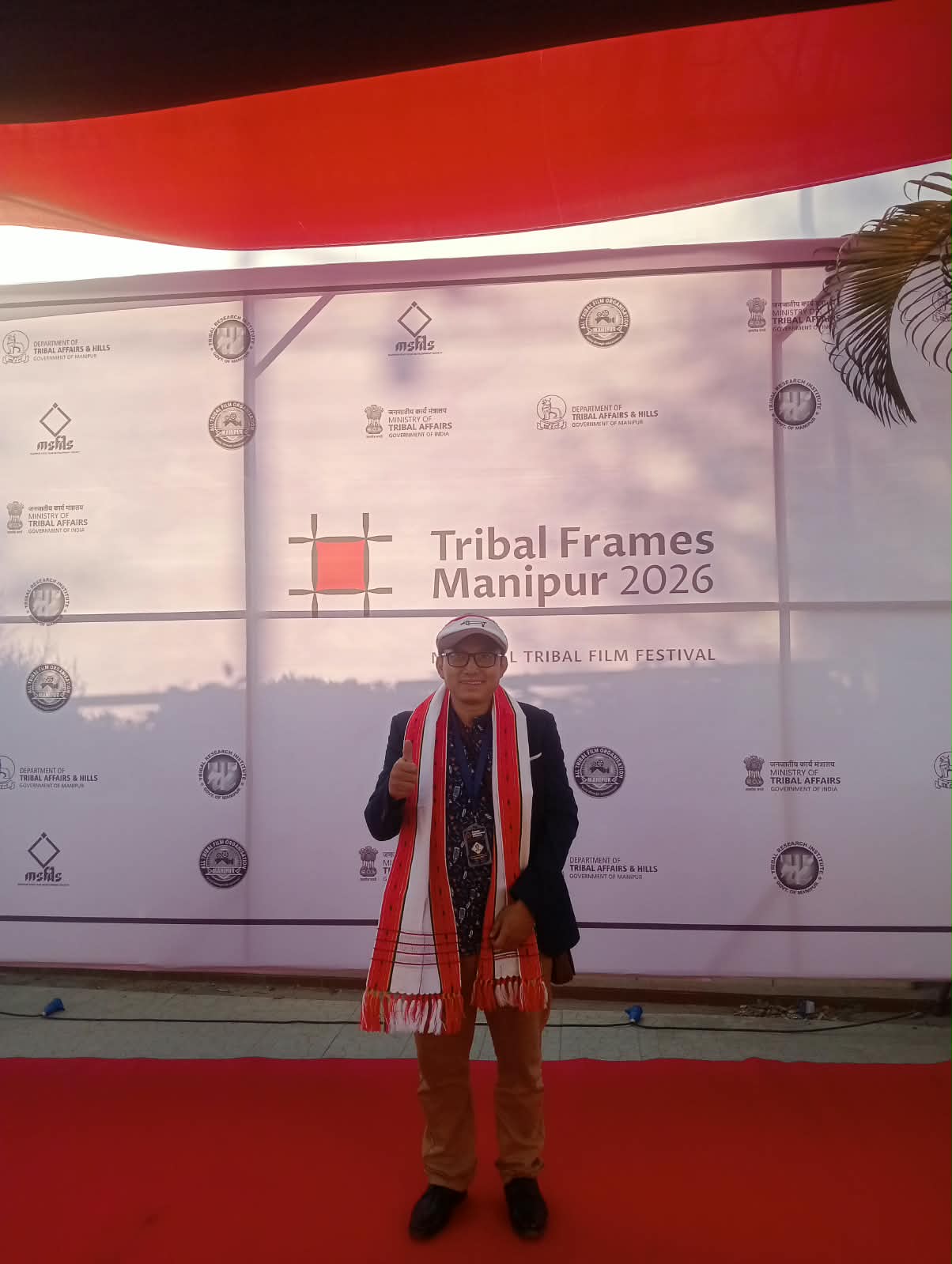
His documentary TARAO – A Vanishing Tribe of Manipur received recognition at the National Tribal Film Festival 2026, held at the Manipur Film Development Society (MFDS), marking an important milestone in his journey as a researcher and filmmaker.
His career reflects a connection between scientific research, indigenous cultural preservation, education, filmmaking and humanitarian responsibility.
Early Life and Background
Prof. Thokchom Chandramani Singh was born on 1 February 1977 in Imphal East, Manipur, a region celebrated for its linguistic diversity, cultural traditions and indigenous communities.
Growing up in Manipur exposed him to a society in which languages carry histories, identities, spiritual beliefs and generations of inherited knowledge.
The region is home to several linguistic communities, including speakers of Meiteilon, Naga languages, Kuki-Chin languages and other indigenous linguistic traditions.
This multilingual environment played an important role in shaping his intellectual interests and his eventual commitment to understanding the relationship between language, culture and community identity.
Over time, his academic curiosity developed into a professional mission: to study and document languages at risk of disappearing and to support the cultural recognition of communities whose voices have historically received limited attention.
For Prof. Singh, language is not simply a means of communication. It represents a community's collective memory, cultural inheritance and identity.
This understanding became a defining principle of his academic and professional life.
Education and Academic Excellence
Gold Medalist in Linguistics (2000) | Ph.D. in Linguistics
Prof. Singh's academic journey reflects a strong foundation in linguistic science, research methodology and field-based language documentation.
In 2000, he earned a Gold Medal in Linguistics, an academic distinction that marked an important stage in his scholarly development.
He subsequently pursued advanced research and completed a Doctor of Philosophy (Ph.D.) in Linguistics.
His doctoral research, titled The Structural Analysis of Thangal, focused on the systematic linguistic investigation of the Thangal Naga language.
The research contributed to the scientific understanding of the language's grammatical structure and established a foundation for further documentation and linguistic study.
His academic approach combines theoretical linguistics with practical field investigation, enabling him to examine languages within the cultural and social environments in which they are spoken.
Rather than limiting research to existing academic literature, he has engaged directly with indigenous communities, language speakers and traditional knowledge holders.
His fieldwork has been associated with areas such as Chandel, Ukhrul, Senapati and Tamenglong in Manipur.
This combination of academic scholarship and community-based investigation has remained central to his professional identity.
Professional Career and Academic Leadership
Professor & Dean – Directorate of Regional Indian Languages and Research
Prof. Singh presently serves as Professor and Dean, Directorate of Regional Indian Languages and Research (DRILR), Manipur International University, Imphal, Manipur.
Through his academic responsibilities, he is associated with the advancement of regional language research, linguistic documentation and interdisciplinary studies relating to indigenous cultures.
His professional interests include endangered language preservation, linguistic analysis, language development, indigenous literature, traditional knowledge systems and the relationship between language and cultural identity.
His work emphasizes the importance of connecting institutional research with the lived experiences of indigenous communities.
As a linguist and academician, he advocates greater attention to languages that remain underrepresented in formal education, research publications and cultural documentation.
He believes that linguistic diversity should be recognized as an essential part of India's intellectual and cultural heritage.
His professional journey demonstrates how academic scholarship can extend beyond universities and contribute meaningfully to cultural preservation and social awareness.
Pioneering Contributions to Endangered Language Research
Language Scientist – Dimensions of Language Endangerment Programme
One of the significant distinctions described in Prof. Singh's professional record is his appointment as the first Language Scientist under the Dimensions of Language Endangerment programme, an initiative associated with the Ministry of Human Resource Development, Government of India.
His linguistic research has also been associated with the Centre for Tribal and Endangered Languages (CTEL), Central Institute of Indian Languages (CIIL), Mysore.
Through these initiatives, he has undertaken research and documentation concerning indigenous languages that face challenges arising from declining speaker populations, generational language shifts and limited written resources.
His work has particularly focused on the following languages:
-
Tarao (Taraotrong)
-
Thangal Naga
-
Aimol
-
Saimer
-
Other indigenous languages and linguistic traditions of Northeast India
His research extends beyond grammatical description. It addresses how language carries cultural memory, oral traditions, community history and indigenous knowledge.
Through documentation, linguistic analysis and community engagement, Prof. Singh seeks to strengthen the academic recognition and long-term preservation of vulnerable languages.
Major Research Works and Scholarly Contributions
Prof. Singh's professional profile includes several research initiatives, linguistic publications and cultural documentation projects.
1. The Structural Analysis of Thangal
His doctoral research examines the linguistic structure of the Thangal Naga language.
The work contributed to systematic grammatical documentation and the development of resources for subsequent linguistic research.
2. First Preliminary Grammar of Thangal Naga
Prof. Singh is credited in his professional record with preparing an early scientific grammatical description of Thangal Naga.
This contribution is significant for the documentation and academic study of the language.
3. Compilation of 39 Pictorial Glossaries
Among his notable achievements is the compilation of 39 pictorial glossaries representing ethnic communities of Northeast India.
These glossaries are intended to preserve linguistic vocabulary through visual representation, making traditional words and concepts accessible to researchers, learners and future generations.
This accomplishment is reported to have received recognition from the USA Book of World Records in 2025.
4. Pictorial Glossary and Grammar of Tarao
His research on the Tarao language includes the preparation of grammatical and pictorial documentation associated with CTEL and CIIL, Mysore.
These resources contribute to the preservation and academic understanding of Taraotrong.
5. White Paper on Tarao Language
Prof. Singh prepared a white paper addressing the condition of the Tarao language and the importance of linguistic preservation.
The work emphasizes the need for research, documentation and greater awareness of endangered language communities.
6. Sakok Thiren
He has also been associated with the compilation of Sakok Thiren, a traditional Meitei text of cultural and religious significance.
This work reflects his wider interest in indigenous literature, traditional knowledge and historical cultural records.
7. Origin and Development of Early Indian Scripts
His scholarly interests extend to the historical development of Indian writing systems.
The work titled Origin and Development of Early Indian Scripts examines early script traditions and their importance in understanding India's linguistic and literary history.
8. Research on Classical Manipuri Language
Prof. Singh has contributed to research and discussions concerning the historical foundations of Manipuri language and literature.
His work has addressed historical reference points including 1709 AD and the traditionally cited Puya Meithaba event of 1729 AD, in the wider context of classical language research and cultural history.
Commitment to the Preservation of the Tarao Language
Protecting the Voice of a Vulnerable Indigenous Community
A particularly important dimension of Prof. Singh's work concerns the Tarao community of Manipur.
The Tarao people are a small indigenous community associated with the Chandel district of Manipur. Their language, commonly known as Taraotrong, represents an important part of their cultural identity.
The community's limited population and the pressures of language transition have raised concerns regarding the long-term continuity of its linguistic traditions.
Prof. Singh's research has highlighted the continued existence of Tarao speakers and the importance of documenting their language.
His professional account discusses a reported 2009 UNESCO classification concerning the language's extinction status and contrasts that concern with field observations of surviving Tarao speakers.
Through field research, grammatical documentation and cultural engagement, he has sought to draw attention to the need for appropriate recognition and preservation measures.
His work emphasizes that the preservation of an endangered language requires more than recording vocabulary.
It also requires the protection of oral traditions, community knowledge, cultural practices and opportunities for younger generations to learn their ancestral language.
For Prof. Singh, the survival of Taraotrong is inseparable from the survival of the cultural identity of the Tarao people.
Humanitarian Service and Community Welfare
Alongside his research activities, Prof. Singh has demonstrated an interest in community development and humanitarian initiatives.
His professional account describes his involvement in an affordable healthcare initiative supporting the Tarao community.
This engagement extends his commitment from language preservation to the broader welfare of the people whose languages and traditions he studies.
His approach recognizes the close relationship between cultural continuity, education, healthcare and social well-being.
By connecting linguistic research with community concerns, he seeks to encourage a model of scholarship that places human dignity and cultural identity at its centre.
His work reflects the belief that preserving a language also means supporting the communities who sustain it.
Documentary Filmmaking and Cultural Storytelling
From Linguistic Research to the World of Cinema
Recognizing the ability of visual storytelling to reach audiences beyond academic institutions, Prof. Singh expanded his creative interests into documentary filmmaking and production.
His films focus on cultural identity, indigenous traditions, traditional knowledge and the experiences of communities whose histories are often absent from mainstream narratives.
For him, documentary cinema offers an opportunity to translate academic research into visual experiences.
Rather than presenting linguistic endangerment only through scholarly publications, he uses film to communicate the people, emotions, traditions and circumstances behind endangered languages.
His documentary projects include:
TARAO – A Vanishing Tribe of Manipur
A documentary focusing on the Tarao community, its endangered language, cultural heritage, traditional practices and continuing struggle to preserve its identity.
Guru Reuben Mashangva
A documentary project associated with the life and cultural contributions of Guru Reuben Mashangva, a prominent figure connected with the musical traditions of Manipur.
Through these productions, Prof. Singh brings together academic investigation, filmmaking and cultural advocacy.
His cinematic work reflects a commitment to preserving indigenous narratives while making them accessible to wider audiences.
TARAO – A Vanishing Tribe of Manipur
A Documentary Dedicated to Cultural Survival
TARAO – A Vanishing Tribe of Manipur is among the most significant documentary projects associated with Prof. Thokchom Chandramani Singh.
The film explores the identity, language, historical traditions and contemporary challenges of the Tarao community.
It draws attention to the cultural significance of Taraotrong and the importance of preserving the knowledge held by community elders.
The documentary explores elements of Tarao cultural life, including traditional songs, oral histories, rituals, weaving, food practices and inherited customs.
It also addresses the community's historical narratives, including traditions connecting the Tarao people with Maharaja Ching-Thang Khomba and the orange orchards of Komlathabi.
The film presents the challenge of cultural survival through the experiences and memories of the people themselves.
By documenting a community facing the possibility of linguistic and cultural decline, the documentary serves as both a cinematic work and an important cultural record.
It encourages audiences to consider a fundamental question:
What is lost when a community's language, traditions and collective memory begin to disappear?
Through this film, Prof. Singh seeks to make the issue of endangered languages understandable to audiences beyond the field of linguistics.
National Recognition – National Tribal Film Festival 2026
Recognition for TARAO – A Vanishing Tribe of Manipur
A notable milestone in Prof. Singh's filmmaking career came during the National Tribal Film Festival 2026, held at the Manipur Film Development Society (MFDS).
According to his professional account, the festival was organised by TRI and MFDS, with sponsorship from the Ministry of Tribal Affairs, Government of India.
His short documentary film, TARAO – A Vanishing Tribe of Manipur, was screened and honoured during the festival.
On 14 November 2026, Prof. Singh received a festival trophy in recognition of his documentary work.
The trophy was presented by Shri Stanzin Dorjai Gya, the filmmaker from Ladakh recognized for his work in documentary cinema and cultural storytelling.
The occasion highlighted Prof. Singh's documentary contribution concerning the Tarao community, with his wider filmmaking work also including Guru Reuben Mashangva.
The festival recognition represented an important moment in his transition from linguistic scholarship to documentary filmmaking.
It also brought public attention to the cultural preservation concerns that have shaped his research career.
For Prof. Singh, recognition through cinema holds a significance beyond personal achievement: it creates an opportunity for indigenous communities and endangered languages to receive wider visibility.
A Vision for Indigenous Languages and Cultural Identity
Prof. Singh's work is guided by a broader concern for the future of India's linguistic diversity.
He has highlighted challenges such as the gradual decline of mother-tongue education, migration, increasing use of dominant languages and the lack of comprehensive documentation for smaller linguistic communities.
His research emphasizes that languages are repositories of traditional knowledge, social relationships, ecological understanding and cultural history.
He advocates efforts that can help communities preserve and transmit their languages to future generations.
His long-term vision includes strengthening endangered language documentation, encouraging indigenous language education, developing research resources and using digital and cinematic platforms to preserve cultural traditions.
He sees collaboration among academic institutions, researchers, cultural organizations and indigenous communities as essential to sustainable language preservation.
Through his academic leadership and filmmaking, he continues to promote the importance of linguistic diversity as a fundamental part of India's cultural inheritance.
Personal Life and Family
Prof. Thokchom Chandramani Singh is married to Dr. Waikhom Sanjita Devi, a senior clinical professional associated with Apollo Excel Care Hospital, Boragaon.
The couple has two daughters:
-
Leimarenbi Thokchom
-
Lanchenbi Thokchom
Alongside his academic, research and filmmaking responsibilities, Prof. Singh values his family life and the importance of education, cultural identity and social responsibility.
His personal and professional journey reflects a connection between scholarship, family values and service to society.
Major Achievements and Professional Highlights
-
Gold Medalist in Linguistics (2000), recognizing his academic achievement.
-
Ph.D. in Linguistics, with doctoral research titled The Structural Analysis of Thangal.
-
Professor and Dean, Directorate of Regional Indian Languages and Research (DRILR), Manipur International University.
-
Language Scientist associated with the Dimensions of Language Endangerment programme.
-
Research and linguistic documentation associated with CTEL, CIIL Mysore.
-
Contributions to grammatical documentation of the Thangal Naga language.
-
Research on endangered languages including Tarao, Aimol and Saimer.
-
Compilation of 39 pictorial glossaries of ethnic communities of Northeast India.
-
Reported recognition in the USA Book of World Records (2025) for pictorial glossary compilation.
-
Preparation of the Pictorial Glossary and Grammar of Tarao.
-
Authorship and compilation associated with research works including White Paper on Tarao Language, Sakok Thiren and Origin and Development of Early Indian Scripts.
-
Research contributions concerning the historical and classical foundations of Manipuri.
-
Documentary filmmaking projects including TARAO – A Vanishing Tribe of Manipur and Guru Reuben Mashangva.
-
National Tribal Film Festival recognition in 2026 for TARAO – A Vanishing Tribe of Manipur.
-
Community engagement and humanitarian initiatives supporting the Tarao people.
-
More than two decades of work spanning linguistics, cultural documentation, research and indigenous heritage preservation.
Philosophy and Professional Mission
Prof. Singh's academic and creative journey is built upon the belief that the protection of linguistic diversity is inseparable from the preservation of human civilization.
His work challenges the assumption that smaller languages are less significant than widely spoken languages.
Every language, regardless of the number of its speakers, carries a unique understanding of history, society, nature and human experience.
By studying endangered languages, compiling linguistic resources and documenting indigenous communities through film, he seeks to preserve cultural knowledge that might otherwise be lost.
His work also demonstrates that scholarship can have a direct social purpose.
Research can support recognition. Documentation can preserve memory. Education can strengthen cultural continuity. Cinema can introduce unfamiliar communities to wider audiences.
These interconnected principles define his academic and creative mission.
Legacy – Giving Endangered Languages a Voice
The professional journey of Prof. (Dr.) Thokchom Chandramani Singh represents a sustained commitment to the preservation of indigenous languages and cultural heritage.
From his academic distinction as a Gold Medalist in Linguistics to his doctoral research on Thangal Naga, from documenting the Tarao language to compiling pictorial glossaries, and from academic leadership to receiving documentary recognition at the National Tribal Film Festival 2026, his career brings together research, education, filmmaking and cultural responsibility.
His contributions illustrate the importance of preserving languages not merely as systems of words and grammar, but as living expressions of human identity.
Through his research and documentaries, he has sought to ensure that vulnerable communities are represented, their knowledge is documented and their cultural traditions remain accessible to future generations.
His work offers a meaningful example of how an academician can become a cultural storyteller and how scientific research can contribute to a wider movement for heritage preservation.
Prof. Singh's enduring mission is to give endangered languages a documented history, indigenous communities a platform for their stories, and future generations a meaningful connection with their cultural inheritance.
“A language preserved is a heritage protected; a culture documented is a history remembered; and a community heard is an identity strengthened.”
Quick Profile – Prof. (Dr.) Thokchom Chandramani Singh
| Particulars | Details |
|---|---|
| Full Name | Prof. (Dr.) Thokchom Chandramani Singh |
| Date of Birth | 1 February 1977 |
| Birthplace | Imphal East, Manipur, India |
| Nationality | Indian |
| Profession | Linguist, Academician, Researcher, Filmmaker and Producer |
| Current Position | Professor & Dean |
| Institution | Manipur International University, Imphal |
| Department | Directorate of Regional Indian Languages and Research (DRILR) |
| Academic Distinction | Gold Medalist in Linguistics (2000) |
| Highest Qualification | Ph.D. in Linguistics |
| Doctoral Research | The Structural Analysis of Thangal |
| Research Specialization | Endangered Languages, Tribal Linguistics and Indigenous Cultural Preservation |
| Major Documentary | TARAO – A Vanishing Tribe of Manipur |
| Other Documentary Project | Guru Reuben Mashangva |
| Festival Recognition | National Tribal Film Festival 2026 |
| Recognition Date | 14 November 2026 |
| Additional Record Recognition | USA Book of World Records (2025), as reported |
| Spouse | Dr. Waikhom Sanjita Devi |
| Children | Leimarenbi Thokchom and Lanchenbi Thokchom |
| State | Manipur |
| Country | India |
Prof. (Dr.) Thokchom Chandramani Singh – A Life Dedicated to Language, Culture, Research, Cinema and Humanity.
Album